
Overview
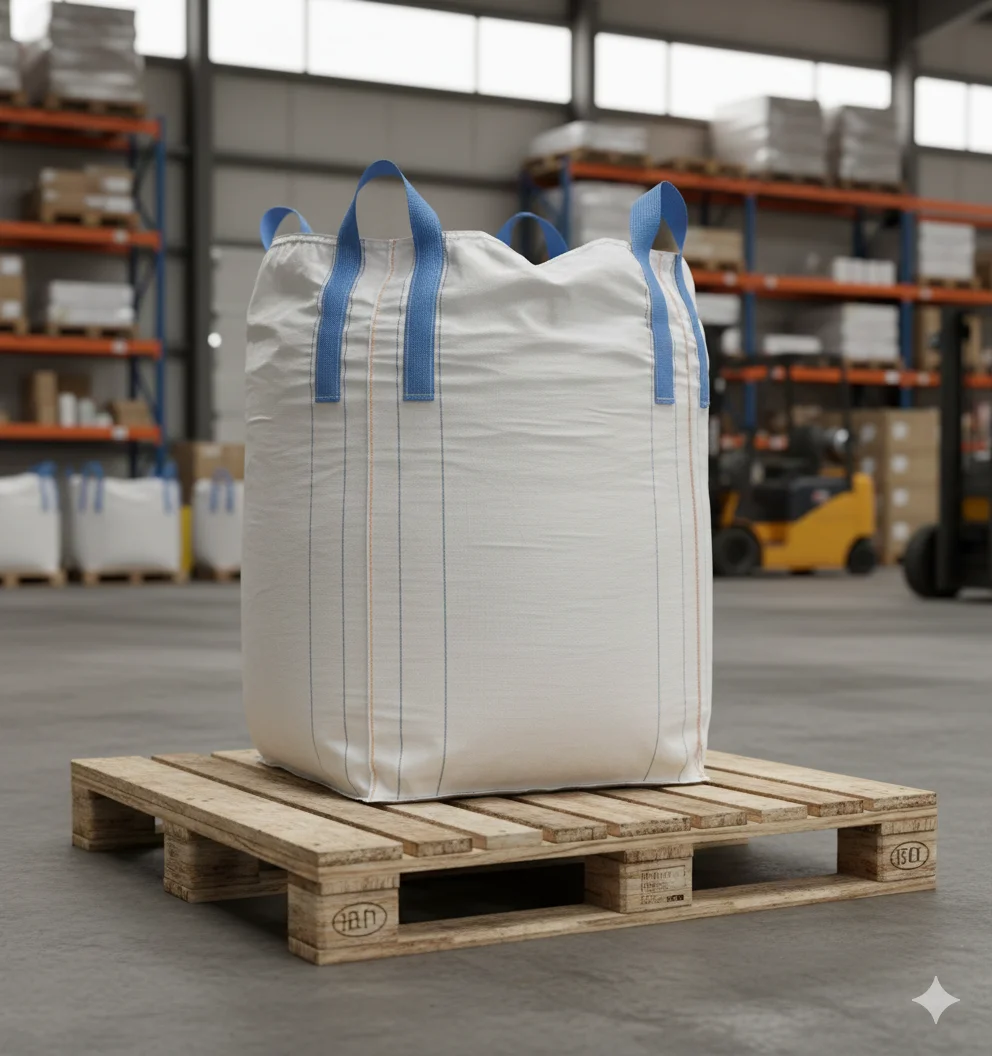
A Circular or Tubular bag is woven into a cylinder or tube and cut to the correct size. The most common construction type is a circular fabric on the body with a sewn square base. As there are no seams in this construction, this creates for a more aesthetically pleasing bag, and with only a top and bottom panel sewn into the bag, they are ideal for fine and hydroscopic materials. The tubular body design is also ideal as a liner-less option for fine materials and is recognized for its ease of lifting and manipulating with a forklift.
CIRCULAR / TUBULAR FIBC
The Ultimate Guide to Circular / Tubular FIBC Bags
Circular, or Tubular, FIBC bags are woven on circular looms, creating a continuous cylinder of fabric without any vertical seams. This seamless body construction is the defining feature of these bags, offering distinct advantages over other designs. A square base is typically sewn onto the bottom of the tube to allow the bag to stand upright and be stable on pallets.
The absence of side seams makes Circular bags ideal for fine and hydroscopic materials, as there are fewer points for potential leakage or moisture ingress. This liner-less option is often preferred for materials like fine powders, flour, or pharmaceutical ingredients where containment is critical. The design is not only functional but also aesthetically pleasing, presenting a smooth, uninterrupted surface.
Circular bags are also recognized for their lifting efficiency. the loop design often involves 'cross-corner' loops formed from the body fabric or reinforced webbing, allowing forklifts to easily engage and lift the bag. This design distributes the load effectively, making it a safe and reliable choice for varied industrial applications.
Commercial Uses
The food industry extensively uses Circular bags for transporting fine powders like flour, sugar, and spices. The lack of seams ensures that these fine particles do not sift out during transport, maintaining hygiene and reducing weight loss.
In the pharmaceutical sector, these bags are chosen for their high integrity. They are often used to transport bulk active pharmaceutical ingredients (APIs) where contamination control and containment are paramount.
Manufacturers of fine chemicals and resins prefer Circular FIBCs because they offer a cost-effective solution for moisture-sensitive products, especially when combined with coated fabrics, eliminating the need for separate, expensive liners.
Advantages
- No vertical side seams for better containment
- Ideal for fine and hydroscopic materials
- Efficient lifting with forklift sleeves
- Aesthetically pleasing tubular design
Applications
- Fine powders & Flour
- Pharmaceuticals
- Chemicals
- Food ingredients