
Overview
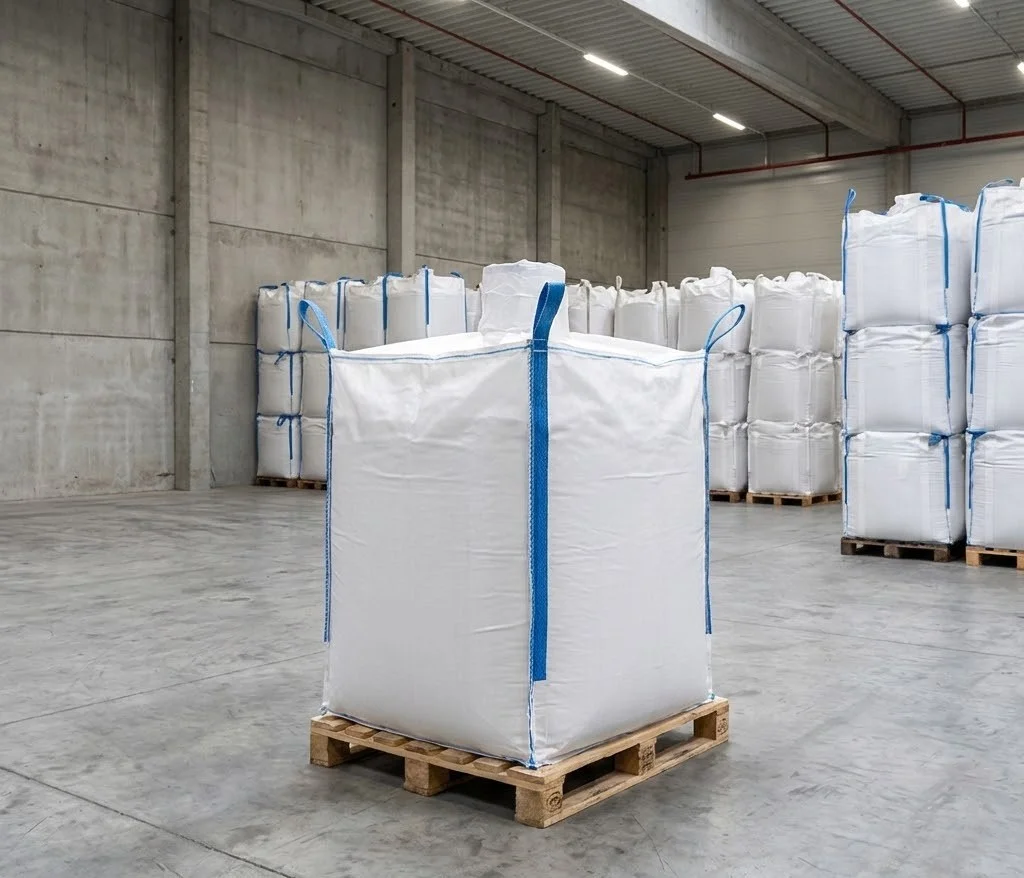
It is the original polypropylene design, Four-Panel Bulk Bags (FIBCs) have seams along four separate pieces of fabric that are sewn together to construct the body of the bag as well as having the top and bottom panels sewn in. Four-Panel bags tend to hold their shape better than other types of bags and are better suited for stacking.
FOUR-PANEL FIBC
The Ultimate Guide to Four-Panel FIBC Bags
Four-Panel FIBC bags represent the original and most classic design in the bulk bag industry. As the name suggests, they are constructed from four separate pieces of woven polypropylene fabric sewn together to form the body of the bag. This is distinct from U-Panel or Circular bags which use fewer fabric pieces.
The primary advantage of the Four-Panel construction is its exceptional ability to maintain a square shape. The four vertical seams provide a rigid structure that resists bulging when filled. This 'squareness' is crucial for optimizing storage space, as these bags stack neatly and securely on pallets and in warehouses, maximizing every inch of available space.
While they involve more sewing, which can increase production time slightly, their structural stability makes them a favorite for industries where presentation and stackability are key. They are highly customizable; manufacturers can even use different colored fabrics for different panels for branding or identification purposes.
Commercial Uses
Warehouse and logistics companies favor Four-Panel bags for their superior stacking capabilities. They allow for higher, safer stacking, which directly translates to reduced warehousing costs.
The chemical export market utilizes these bags to maximize shipping container loads. Because the bags stay square, they fit tightly together in ISO containers, reducing wasted air space and shipping costs.
Agricultural exporters shipping products like beans or seeds often choose Four-Panel bags to ensure their product arrives looking neat and organized, presenting a high-quality image to international buyers.
Advantages
- Superior shape retention
- Excellent stacking stability
- Robust 4-piece construction
- Customizable panel colors
Applications
- Warehousing & Logistics
- Chemical transport
- Food storage
- General bulk packaging